EN
EN

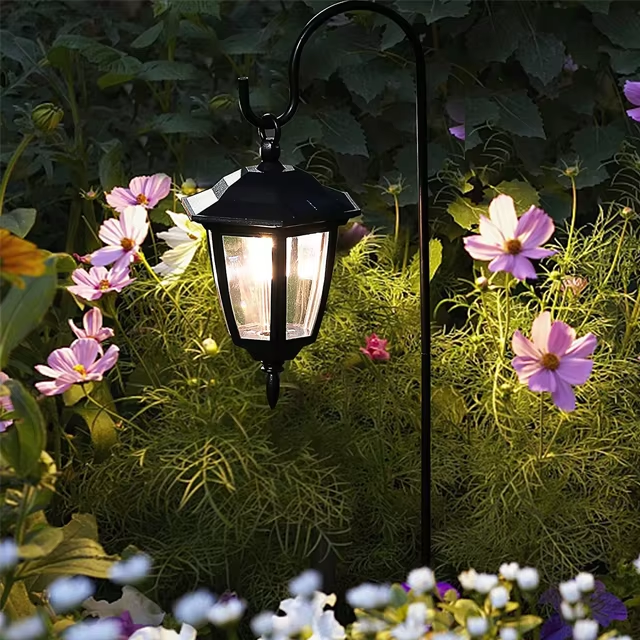
Основной компромисс между яркостью и временем работы в солнечных садовых светильниках
Понимание обратной зависимости между выходом люменов и продолжительностью освещения
Садовые солнечные фонари работают на ограниченном количестве энергии, поэтому здесь возникает своеобразная дилемма: чем ярче они светят, тем быстрее разряжаются. Возьмём, к примеру, фонарь, выдающий 200 люмен и потребляющий 2 ватта мощности. Согласно исследованию NREL 2023 года, такой фонарь разрядит обычный литий-ионный аккумулятор ёмкостью 2000 мА·ч примерно за 4 часа 48 минут. Сравните это с более тусклым вариантом на 50 люмен, который работает значительно дольше — иногда более 18 часов подряд. Почему так происходит? Дело в том, что светодиоды становятся менее эффективными при максимальной яркости. Чем больше света мы хотим получить, тем больше энергии теряется в виде тепла и из-за несовершенства схемотехники внутри этих маленьких фонарей.
Как взаимодействуют ватты, люмены и энергопотребление в солнечных системах
Работу определяют три основных фактора:
- Мощность солнечной панели определяет суточный потенциал перезарядки (например, панель мощностью 2 Вт вырабатывает около 10 Вт·ч при 5 часах пиковой солнечной активности)
- Емкость аккумуляторного хранилища , измеряемая в ватт-часах, определяет общий объём доступной энергии
- Эффективность светодиодов , выраженная в люменах на ватт (лм/Вт), определяет, насколько эффективно электричество преобразуется в свет
Фирменные солнечные фонари достигают показателя 120–150 лм/Вт, тогда как бюджетные модели часто выдают менее 80 лм/Вт — разрыв в эффективности в 37,5 %, который напрямую влияет на время работы. Например, системы с панелями 6 В / 3 Вт и аккумуляторами ёмкостью 7,4 Вт·ч обычно поддерживают яркость 200 люмен всего лишь 3 часа, после чего автоматически затемняются.
Почему более высокая яркость сокращает эффективное время работы в автономных осветительных системах
Большинство фонарей, обозначенных как устройства для «круглосуточного» использования, просто не сохраняют яркость на протяжении всего вечера. Согласно последним полевым испытаниям, модели с яркостью более 300 люмен обычно остаются яркими около 2 часов 45 минут, после чего начинают значительно тускнеть, теряя около 60–70 процентов яркости для экономии энергии, согласно данным Исследовательского центра освещения за прошлый год. Почему так происходит? Аккумуляторы на основе лития разряжаются неравномерно при высоких нагрузках. По мере увеличения яркости фонаря напряжение начинает быстрее падать, что активирует функции энергосбережения в более качественных моделях. Производители внедряют такие системы в свою продукцию, чтобы продлить время работы, но это означает, что свет не будет оставаться на максимальной мощности в течение длительного времени.
Эффективность светодиодов и люмены: баланс между видимостью и потреблением энергии
Как технологии светодиодов влияют на эффективность яркости солнечных садовых фонарей
Сегодня светодиоды способны преобразовывать около половины потребляемой электроэнергии в реальный свет, что намного эффективнее по сравнению со старомодными лампами накаливания, которые практически полностью рассеивают свою энергию в виде тепла. Возьмём, к примеру, обычную светодиодную лампу мощностью 100 люмен — ей требуется всего около 1 ватта, чтобы ярко светить, тогда как старым лампам для достижения того же уровня освещённости понадобилось бы 15 ватт. Последние усовершенствования в технологии специальных покрытых диодов также впечатляют. Некоторым лабораториям удалось достичь показателя 200 люмен на ватт, что означает возможность получения более яркого света без необходимости увеличения энергопотребления. Это особенно важно для солнечных энергетических установок, где каждый запасённый ватт имеет значение, особенно когда солнечный свет доступен не всегда.
Люмены против ватт: выбор высокоэффективных светодиодов без перегрузки энергоресурсов
Умное проектирование приоритизирует люмены на ватт (лм/Вт) а не просто яркость. Рассмотрим это сравнение:
| Выходной лумен | Неэффективный светодиод (30 лм/Вт) | Эффективный светодиод (120 лм/Вт) |
|---|---|---|
| 800 люмен | Требует 26,7 Вт | Требует 6,7 Вт |
| Влияние на время работы | 3 часа (батарея 100 Вт·ч) | 15 часов (батарея 100 Вт·ч) |
Это резкое различие объясняет, почему ведущие солнечные фонари теперь используют светодиоды с показателем ≥100 лм/Вт, обеспечивая достаточную видимость и максимальное время работы.
Практичны ли ультраяркие солнечные садовые фонари для круглосуточного освещения?
На рынке представлены солнечные светодиоды мощностью около 1500 люмен, но для их непрерывной работы в течение восьми часов требуются массивные аккумуляторы ёмкостью не менее 200 ватт-часов. А это означает необходимость установки солнечных панелей значительно большего размера, чем те, которые могут поместиться в типичном приусадебном участке. На практике большинство людей считают, что лучше всего подходят светильники мощностью 400–800 люмен со встроенными функциями умного затемнения. Эти светильники обеспечивают достаточный уровень освещения для подсветки дорожек в течение ночи более двенадцати часов при использовании стандартных панелей мощностью 10 Вт и аккумуляторов ёмкостью 50 Вт·ч. Недавнее исследование Ассоциации автономного освещения выявило интересный факт: почти девять из десяти пользователей предпочитают регулировать яркость света, а не использовать максимальную яркость всю ночь, поскольку более высокие уровни яркости приводят к слишком быстрой разрядке аккумуляторов.
Ёмкость батареи (мА·ч) и накопление энергии: обеспечение более длительного времени работы
Как ёмкость батареи определяет время работы при различных уровнях яркости
Время работы устройства напрямую зависит от ёмкости его аккумулятора, которая обычно измеряется в миллиампер-часах (mAh), эти цифры мы все хорошо знаем. Например, стандартный аккумулятор ёмкостью 2000 мА·ч может обеспечить непрерывную работу 50-люменового светодиода примерно от 10 до 12 часов. Но если увеличить яркость до 100 люменов, время автономной работы сразу сократится вдвое — всего до 5–6 часов. Такой баланс между световым потоком и размером аккумулятора создаёт реальные трудности для конструкторов устройств. Бесспорно, более крупные аккумуляторы работают дольше, однако им требуются пропорционально большие солнечные панели для полноценной ежедневной зарядки. В настоящее время большинство производителей используют литиевые аккумуляторы, поскольку они, как правило, выдерживают от 500 до 2000 полных циклов зарядки перед заменой. Тем не менее, точный срок их службы никто не знает, так как он во многом зависит от того, как люди их используют, и насколько глубоко разряжают аккумулятор в процессе обычной эксплуатации.
Роль качества и долговечности аккумулятора в стабильной работе освещения
Не все аккумуляторы работают одинаково. Элементы низшего уровня теряют 15–20% ёмкости уже за 100 циклов, в то время как премиальные литиевые варианты сохраняют до 90% после более чем 300 циклов (Отчёт по солнечным системам хранения энергии, 2023). Ключевые факторы, влияющие на долговечность:
- Температурный диапазон (-20 °C до 60 °C для моделей, предназначенных для холодного климата)
- Глубина разрядки (рекомендуется 80% DoD для долгосрочного срока службы)
- Тип зарядного контроллера (MPPT превосходит PWM по эффективности восстановления энергии)
Светильники, использующие никелевые аккумуляторы без защиты, часто выходят из строя в течение 18 месяцев, тогда как устройства на основе фосфата лития-железа (LiFePO4) регулярно служат более пяти лет.
Фактическое время работы солнечных садовых фонарей при полном заряде на разных уровнях яркости
| Яркость (люмены) | аккумулятор 1200 мА·ч | аккумулятор 2200 мА·ч | аккумулятор 4400 мА·ч |
|---|---|---|---|
| 30 (Разметка пути) | 14 ч | 26 ч | 52 ч |
| 100 (Освещение рабочей зоны) | 4,2 ч | 8 ч | 16 ч |
| 200 (Охрана) | 1,5 ч | 3 Часа | 6 ч |
Полевые данные подтверждают, что модели с яркостью 300 люмен разряжают аккумуляторы в четыре раза быстрее, чем эквиваленты с 75 люмен. Адаптивные системы, снижающие яркость после полуночи, увеличивают полезное время работы до 40% без ущерба для видимости в вечернее время.
Умное управление питанием: контроллеры и регулируемые режимы освещения
Контроллеры заряда и регулирование энергии для оптимизации использования яркости
Контроллеры заряда играют важную роль в регулировании потока энергии между солнечными панелями, аккумуляторами и светодиодными массивами, от которых мы так зависим в наши дни. Без них наши ценные литий-ионные элементы страдали бы как от перезарядки, так и от глубокого разряда, значительно сокращающего срок их службы. Согласно исследованию, опубликованному в прошлом году в области возобновляемой энергетики, системы освещения, оснащённые интеллектуальными контроллерами, сохраняли около 80 процентов первоначальной ёмкости аккумулятора даже после 500 циклов зарядки. Это довольно впечатляет по сравнению с обычными системами, которым удалось сохранить лишь около 55%. И вот что ещё интересно: когда уровень заряда аккумулятора падает примерно до 20 процентов, эти умные маленькие устройства включаются и снижают яркость светодиодов. Такая простая корректировка даёт дополнительно от 30 до 90 минут освещения каждую ночь, в зависимости от условий.
Регулируемые режимы яркости для настройки времени работы в зависимости от потребностей
Фонарик имеет три различных уровня яркости — высокий, средний и низкий, поэтому пользователи могут выбирать нужный режим. При установке максимальной мощности от 150 до 200 люменов он работает около четырёх-пяти часов, что отлично подходит для ночных встреч. На низком уровне яркость составляет примерно 30–50 люменов, а время работы значительно дольше — около десяти–двенадцати часов, что делает его идеальным для передвижения в тёмных местах. Также существуют версии с датчиком движения, которые изначально работают на 20 % яркости, но при обнаружении движения вблизи мгновенно переключаются на полную мощность. Согласно исследованию Центра исследований освещения (Lighting Research Center) за 2024 год, такой тип интеллектуального освещения сокращает общее энергопотребление почти на две трети по сравнению с обычными фонариками, работающими на постоянном уровне яркости.
Почему многие яркие солнечные садовые фонари не обеспечивают заявленную работу всю ночь
Большинство производителей указывают технические характеристики, основываясь на идеальных условиях, которые редко встречаются в реальной жизни. Подумайте сами: яркое солнце, температура ровно 25 градусов по Цельсию и абсолютно новые батареи прямо из коробки. Но когда ночная температура опускается до 15 градусов по Цельсию, производительность аккумуляторов снижается почти на 18%. Дневная зарядка уменьшается из-за частичной тени от деревьев или зданий, а светодиодные лампы также начинают терять мощность, снижаясь примерно на 22% всего через 2000 часов работы. Так что же происходит со фонариком, который якобы выдаёт 500 люмен в течение 8 полных часов? На практике он обычно светит на максимальной яркости лишь около 4 часов и 45 минут, после чего начинает постепенно гаснуть до уровня около 100 люмен. Это означает, что потребители получают меньше света, чем обещано, и более короткое время работы в типичные осенние и зимние месяцы, когда наружное освещение наиболее важно.
Стратегии проектирования для оптимизации яркости и времени работы солнечных садовых фонарей
Использование эффективных компонентов для сбалансированной производительности
Хорошие результаты зависят от правильного сочетания эффективных светодиодных ламп, солнечных панелей и аккумуляторов, подходящих именно для данной задачи. Согласно исследованию, опубликованному Национальной лабораторией возобновляемой энергии в 2023 году, системы, оснащённые светодиодами с показателем более 120 люмен на ватт, могут работать примерно на 28 процентов дольше, чем системы с лампами 80 лм/Вт, при подключении к монокристаллическим солнечным панелям. Когда эти компоненты правильно работают вместе, они сокращают потери энергии. Это особенно важно, поскольку почти половина (около 42%) проблем с солнечным освещением возникает из-за несовместимости компонентов.
Кейс: Оценка моделей с высокой световой отдачей и заявленным увеличенным временем работы
Тестирование 15 различных солнечных фонарей, которые рекламировались как имеющие время работы 12 часов при мощности 800 люменов, показало весьма неоднозначные результаты. Всего четыре из них смогли сохранять яркость выше 500 люменов более восьми часов подряд. У лучших моделей было три общих преимущества. Во-первых, они оснащались аккумуляторами на основе литий-железо-фосфата (LiFePO4) ёмкостью свыше 10 000 мА·ч. Во-вторых, эти фонари имели специальные отражатели, направлявшие около 92% света вниз — туда, где он был нужен больше всего. В-третьих, в них использовались настоящие 6-ваттные солнечные панели, эффективность которых производители оценивали в 23%. В противоположность этому, более дешёвые модели часто комплектовались панелями, маркированными как «10 Вт», но на практике выдававшими всего 4,2 Вт при испытаниях на открытом солнце. Это показывает, насколько важно точно знать, какие компоненты используются в продуктах, которые мы покупаем.
Новые тенденции: адаптивная яркость, двухрежимные датчики и интеллектуальное управление
Новое поколение таких систем на самом деле использует довольно умные алгоритмы, которые корректируют уровень яркости в зависимости от того, как люди использовали их ранее, а также от текущего состояния аккумулятора. Согласно недавнему исследованию Исследовательского центра освещения 2024 года, их испытания показали, что регулируемые светильники сохраняли яркость около 70–100 люмен в течение ночи примерно 14 полных часов. Это намного лучше, чем у старых моделей с фиксированной яркостью, которые едва дотягивали до шести часов, прежде чем яркость падала всего до 30 люмен. Также существуют так называемые датчики двойного режима, которые делают систему ещё более эффективной. Они работают, поддерживая обычное мягкое свечение в 50 люмен, но при обнаружении движения включают значительно более яркую вспышку в 300 люмен. Согласно руководящим принципам USDA для сельскохозяйственных операций, такой подход позволяет сократить потери электроэнергии примерно на 40 процентов.
Часто задаваемые вопросы
Почему садовые солнечные фонари не сохраняют одинаковую яркость всю ночь?
Садовые солнечные фонари часто снижают яркость через несколько часов, чтобы сэкономить энергию и продлить срок службы батареи. Это происходит потому, что батареи разряжаются неравномерно при более высокой яркости, поэтому производители внедряют функции энергосбережения.
Как выбрать солнечные садовые фонари для оптимальной яркости и времени работы?
Выбирайте фонари с высоким показателем эффективности в люменах на ватт (лм/Вт) и достаточной ёмкостью аккумулятора. Модели с функцией умного затемнения и регулируемыми режимами яркости помогают сбалансировать яркость и длительность работы.
Нужны ли для солнечных садовых фонарей с высокой световой отдачей более крупные солнечные панели?
Да, фонари с высокой световой отдачей, потребляющие больше энергии, требуют более крупных панелей для эффективной зарядки. Слишком большие системы могут быть неудобны для стандартных садов частных домов, поэтому более подходящими являются варианты со средней световой отдачей.
Почему солнечные садовые фонари не обеспечивают заявленное время работы?
Производители часто указывают технические характеристики, основываясь на идеальных условиях, которые редко соответствуют реальным условиям эксплуатации. Такие факторы, как более низкие температуры, частичное затенение и старение аккумулятора, могут значительно влиять на производительность.
Содержание
- Основной компромисс между яркостью и временем работы в солнечных садовых светильниках
- Эффективность светодиодов и люмены: баланс между видимостью и потреблением энергии
- Ёмкость батареи (мА·ч) и накопление энергии: обеспечение более длительного времени работы
- Умное управление питанием: контроллеры и регулируемые режимы освещения
- Стратегии проектирования для оптимизации яркости и времени работы солнечных садовых фонарей
-
Часто задаваемые вопросы
- Почему садовые солнечные фонари не сохраняют одинаковую яркость всю ночь?
- Как выбрать солнечные садовые фонари для оптимальной яркости и времени работы?
- Нужны ли для солнечных садовых фонарей с высокой световой отдачей более крупные солнечные панели?
- Почему солнечные садовые фонари не обеспечивают заявленное время работы?